
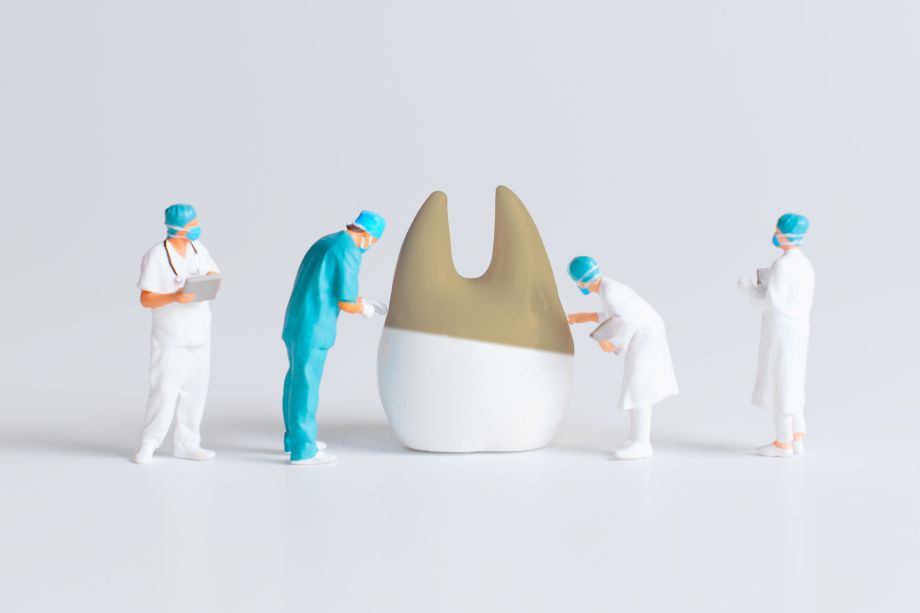
Dental implants are the only permanent tooth replacement solution on the market today. These dynamic prosthetics both look and feel just like real teeth, but they have a few amazing perks that your natural smile can’t touch, including the fact that they can’t get cavities. Unfortunately, however, while they are durable, they’re not completely indestructible, and much like real teeth, they can even become stained. Here’s why it happens, and what you can do to prevent disappointing dental discoloration from staining your smile!
How Do Dental Implants Get Stained?
It’s easy to understand how your real teeth get stained. They are vulnerable to both intrinsic (internal) and extrinsic (external) stains from things like enamel wear, diet, and medication use. But although they look real, your dental implants lack some of the same qualities as real teeth, namely the presence of enamel, and the tiny pores in this protective outer layer that allow whitening agents to work. Thus, patients are often surprised that their new restorations can become discolored.
Dental implant crowns are usually made of natural-looking materials like porcelain, which is colored to match the rest of your smile. Once it reaches the desired shade, it is sealed with a glaze, so it has the appearance of a real tooth. With proper care and use, that glaze should protect the prosthetic from discoloration; however, with time, diet, and improper cleaning methods, it can become worn and allow stains to penetrate the tooth.
How Can I Correct Dental Implant Discoloration?
There are several ways to restore the luster to your dental implant crowns. Typically, this requires a reglazing procedure from a dental lab. However, the easiest way to keep your smile looking its best is to avoid the need for repairs in the first place. Here are a few best practices to ensure they stay white and bright for as long as possible:
- Reduce your intake of acidic foods and beverages.
- Use only a soft-bristled toothbrush and non-abrasive toothpaste.
- Only use your dental implants for food, not to open packaging, bite your nails, or gnaw on pen caps.
- Avoid using them to eat anything excessively hard or crunchy such as ice cubes or hard candies.
- Visit your dentist every six months for your regular preventive exams and cleanings.
If you do notice your restorations are looking a little dull or dingy, schedule an appointment with your dentist for help. They can provide a deep cleaning or help arrange a reglazing treatment to bring them back to the way your restorations looked on day one.
Remember, while your dental implants are just as beautiful and strong as real teeth, they’re not immune to damage. Thus, be sure to use and care for them properly to avoid discoloration, and you’ll have a lifetime of smiles to look forward to!
About Dr. Butler
Dr. Daniel Butler earned his undergraduate degree at North Carolina State University, and his Doctorate in Dental Surgery at New York University. He is a current, active member of the American Dental Association, the NC Dental Society, and the American Academy of Cosmetic Dentistry, just to name a few. To schedule an appointment for dental implants at Lillington Dental Care, visit our website or call 910-893-4977.